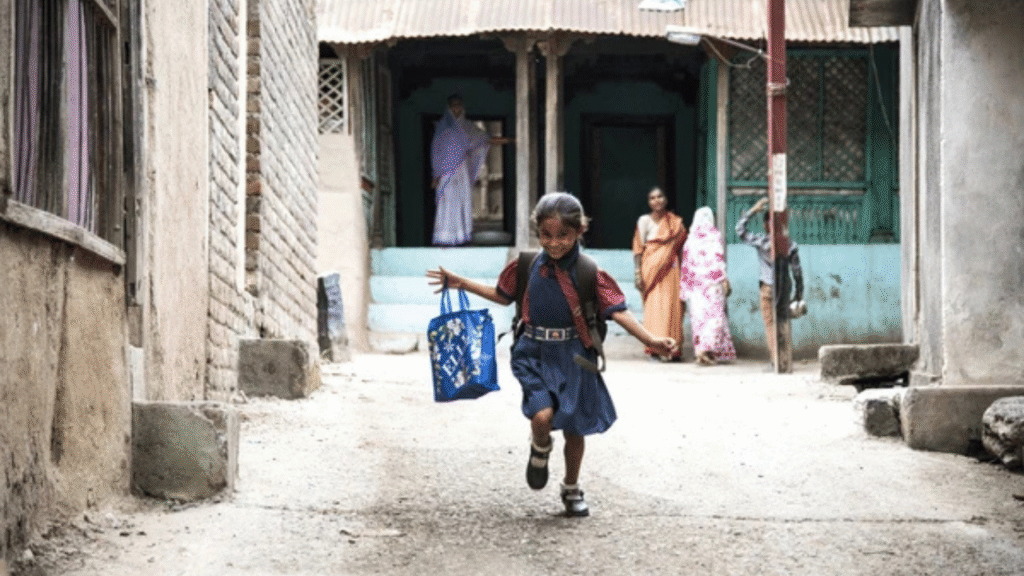
A healthier planet begins with small, consistent, community-driven actions.

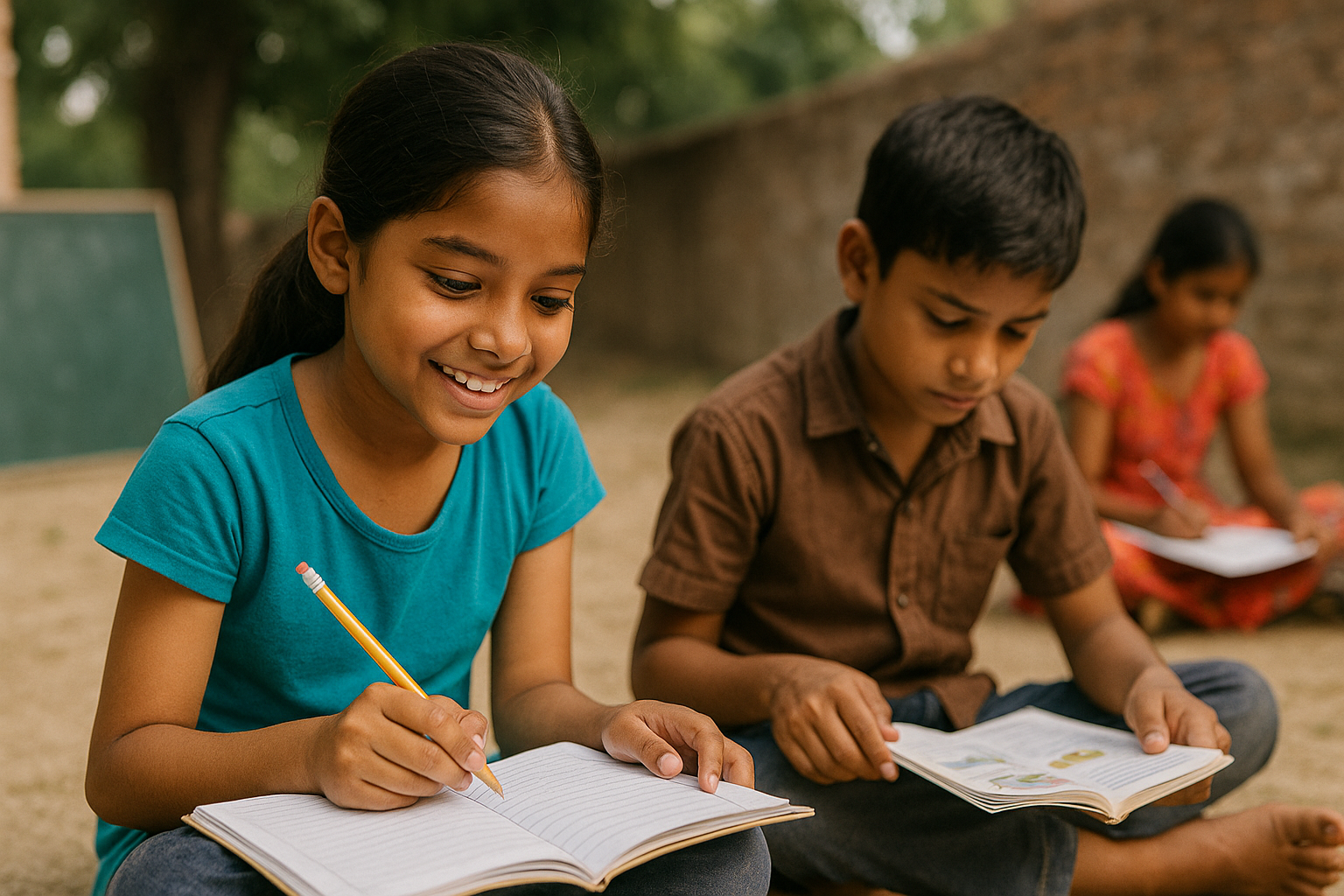
India is standing at a critical environmental crossroads. Rapid urbanisation, rising pollution, deforestation, waste mismanagement, and water scarcity have created a situation where ecological damage is no longer a distant threat—it is a daily experience. Many communities are already dealing with poor air quality, contaminated water, shrinking green spaces, and declining public health. Climate-related changes have made summers harsher, rainfall more unpredictable, and agricultural cycles more unstable. These challenges are not limited to rural or urban regions; they affect people across all socioeconomic backgrounds, making environmental responsibility a shared necessity rather than a selective concern.
“A greener world is not built in a day—it is built every day, by the choices we make and the actions we take.”
Trivanta Foundation
How Environmental Degradation Impacts Daily Life
Environmental issues are often discussed in broad terms like climate change or carbon emissions, but their real impact is seen in the smallest everyday struggles. Polluted air leads to increased respiratory illnesses, especially among children and the elderly. Contaminated water sources force families to spend more on healthcare or travel long distances for clean drinking water. Unmanaged waste piles create unsafe and unhealthy surroundings. Loss of trees increases heat exposure, reduces biodiversity, and worsens living conditions. These issues collectively weaken community health, productivity, and overall quality of life. Environmental neglect directly affects human survival and development.
The Role of Community Participation in Environmental Recovery
While large-scale policies and government initiatives are essential, the success of environmental change depends heavily on community involvement. Real transformation happens when individuals, schools, local groups, and volunteers take ownership of their surroundings. Plantation drives, clean-up initiatives, water conservation activities, and awareness programs become powerful tools when communities participate collectively. When people begin to understand the value of small daily actions—like reducing plastic use, segregating waste, or protecting green spaces—the cumulative impact becomes significant. These efforts not only improve local environments but also inspire behavioural change across generations.
Why NGOs Are Critical in Driving Sustainable Action
Many environmental problems stem from a lack of awareness, limited resources, or poor implementation at the community level. NGOs like Trivanta fill this gap by conducting grassroots initiatives that are practical, educational, and accessible. Through structured plantation drives, clean-up campaigns, awareness workshops, and sustainability programs, NGOs mobilise communities to participate in solutions they can see, understand, and contribute to. By bringing volunteers, local residents, and youth together, NGOs create a culture of responsibility and ensure that environmental protection becomes part of everyday life. This hands-on approach strengthens long-term ecological resilience.
How Environmental Programs Create Long-Term Social Benefits
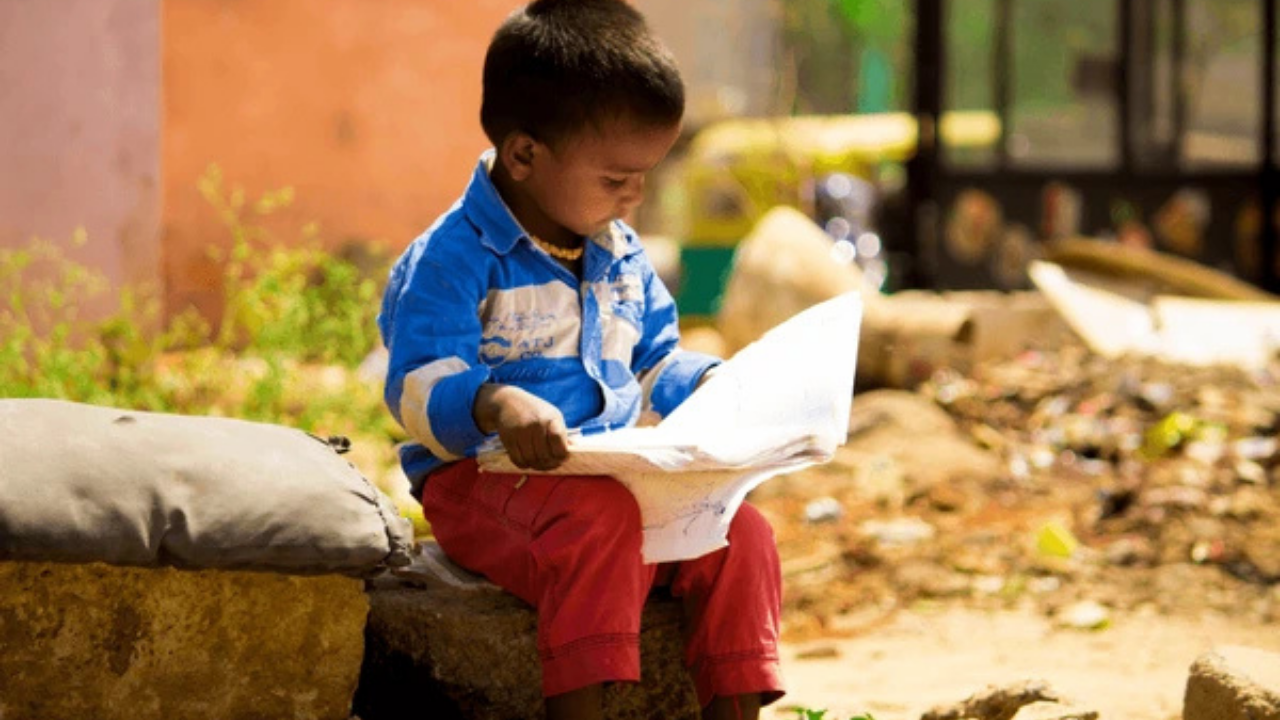
Environmental action is not just about planting trees or cleaning streets—it is about creating healthier, safer, and more sustainable living conditions for everyone. Green spaces reduce stress, improve air quality, and promote community well-being. Clean surroundings decrease health risks and enhance public hygiene. Conservation efforts help secure water sources and agricultural stability. When children participate in environmental programs, they grow into responsible citizens who understand the importance of ecological balance. These long-term changes contribute to stronger communities and a more stable future, proving that environmental intervention is an investment in human health and societal progress.
The Power of Collective Support in Protecting the Planet
Environmental restoration requires more than occasional efforts—it demands consistent commitment, collaboration, and compassion. Donors play a key role by enabling sustained programs that reach vulnerable and neglected areas. Volunteers bring energy and awareness that inspire others. Communities add strength through their participation. When all three come together, transformation becomes powerful and lasting. At Trivanta, every initiative is carried out with transparency, purpose, and a strong belief that the environment deserves the same attention as any other social cause. Protecting nature is protecting our future, and it requires shared responsibility across every section of society.
Sign up for free class
It’s easy and free!