Ensuring consistent nutrition is the first step toward dignity, health, and human development.


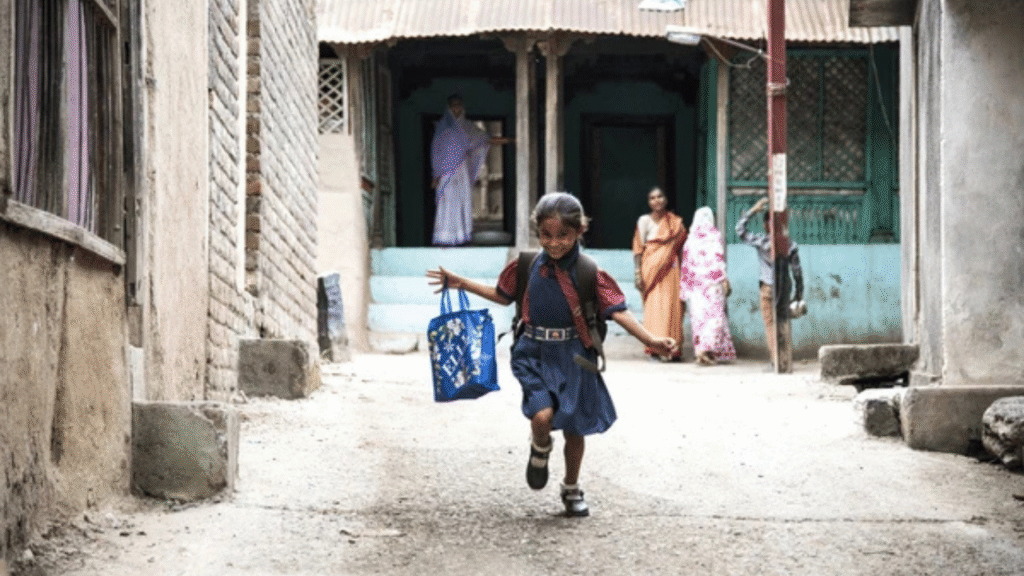
Across India, hunger continues to be one of the most urgent and persistent challenges affecting vulnerable families. While the country has made progress in agriculture and distribution systems, millions still battle food scarcity on a daily basis. Families dependent on unpredictable daily wages often face days when they simply cannot afford basic groceries. Inflation, unemployment, medical emergencies, and seasonal labour shortages make food insecurity a recurring reality rather than a temporary crisis. For many households, the question is not “What will we cook today?” but “Will there be anything to cook at all?” This gap between economic struggle and nutritional need has widened over the years, making hunger a silent emergency in urban and rural India alike.
“Hunger should never be a barrier to survival—feeding a family is the first step to restoring hope.”
Trivanta Foundation
How Hunger Affects Health, Stability, and Human Potential
The impact of hunger goes far beyond an empty stomach. Persistent undernutrition weakens immunity, reduces physical strength, and increases vulnerability to illness. Children affected by hunger struggle with growth delays, poor concentration, and disruptions in school attendance. Adults facing food insecurity often experience chronic stress, fatigue, and an inability to work consistently, creating a cycle of financial instability that becomes harder to break. Hunger destabilises the entire household, leading to emotional strain, reduced productivity, and a long-term decline in overall well-being. Without access to sufficient and nutritious food, the human body—and human potential—cannot function at its fullest.
Why Food Assistance Is Essential for Community Well-Being
Food support is not merely an act of charity; it is a humanitarian necessity that restores dignity and ensures survival. When vulnerable families receive food kits or essential groceries, they gain temporary financial relief that allows them to reallocate their limited income toward other critical needs such as healthcare, education, or housing. This support also creates emotional strength within households, giving them a sense of stability and security. Consistent access to food empowers families to plan, work, and live without the constant fear of hunger. It is a foundational intervention that strengthens every other aspect of development.
The Role of NGOs in Addressing Hunger at the Grassroots Level
Government schemes provide important support, but gaps remain—especially for migrant workers, elderly individuals without documentation, single parents, and families living in informal settlements. NGOs like Trivanta bridge this gap by reaching communities that often remain unseen by mainstream systems. Through direct engagement, careful assessment, and responsible distribution, NGOs ensure that food support reaches those with the greatest need. This includes families facing sudden job loss, widows with no income, elderly people living alone, and children at risk of malnutrition. By addressing hunger at the grassroots, NGOs help communities regain stability and dignity.

How Donor Support Makes Hunger Relief Possible
Every food kit provided, every meal distributed, and every monthly supply drive is made possible by individuals and organisations who choose to stand with the vulnerable. Donor contributions directly translate into nourishment and hope for families who are struggling to survive. At Trivanta, we ensure that every donation is used transparently, efficiently, and ethically so donors can trust that their support is reaching the right people. Hunger cannot be solved by intention alone—it requires consistent resources, structured programs, and ongoing compassion from those who are able to help.
Moving Toward a Hunger-Free Future
A society cannot progress when its people are hungry. Ensuring reliable access to food must be a shared responsibility across communities, institutions, and individuals. When families are nourished, they become healthier, stronger, more confident, and more capable of working toward a stable future. Ending hunger is not about providing temporary relief; it is about empowering individuals to rebuild their lives with dignity. With collective action, sustained support, and compassionate intervention, India can move toward a future where no child sleeps hungry and no family lives in fear of their next meal.
Sign up for free class
It’s easy and free!