
Strengthening learning access is not charity—it is the backbone of national growth.

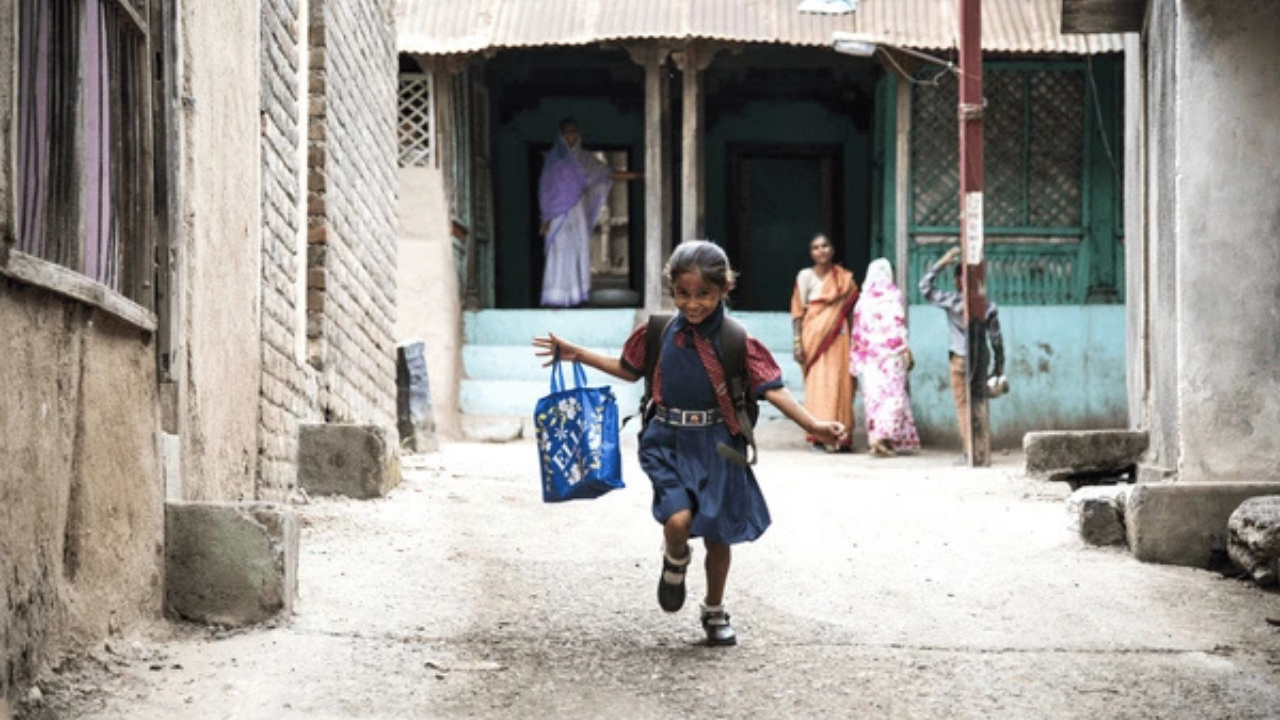
India has made tremendous progress in expanding access to schooling, yet millions of children still struggle to continue their education due to invisible barriers that are rarely acknowledged. While tuition may be free, the essentials required to participate fully—such as notebooks, uniforms, stationery, exam materials, and transportation—place significant financial pressure on low-income families. For households living on unstable daily wages, even these small expenses become overwhelming. The disconnect between policy and lived reality means many children remain enrolled on paper but gradually slip away from active learning.
“A child who continues to learn becomes an adult who continues to build—and that is how nations rise.”
John Collins
How Poverty Affects a Child’s Confidence and Stability
Educational challenges are not limited to material shortages; they deeply affect a child’s emotional and social well-being. A student who arrives without basic supplies often feels embarrassed and hesitant to participate. Over time, this leads to isolation, reduced academic engagement, and a decline in self-worth. Families dealing with financial stress may unintentionally withdraw children from school to manage household responsibilities, leading to inconsistent attendance and disrupted learning patterns. The psychological burden of poverty becomes an invisible weight that quietly pushes children away from classrooms long before teachers notice the decline.
Why Educational Support Creates Measurable, Long-Term Change
When children receive proper school supplies, academic guidance, and supportive follow-ups, the transformation is not just physical—it is mental. A new school bag or complete notebook set restores dignity, motivation, and a sense of belonging. Children begin attending regularly, completing homework, and engaging more confidently with teachers. Parents become more committed, seeing education as an achievable path instead of a financial strain. The stability created through simple, consistent support leads to long-term improvements that shape a child’s identity, discipline, and future aspirations.
The Responsibility of Communities and NGOs in Bridging the Gap
Communities struggling with poverty cannot overcome educational barriers alone. NGOs like Trivanta play a vital role in filling the gaps left between government provisions and family limitations. By working within communities, understanding their challenges firsthand, and offering solutions rooted in practicality and empathy, NGOs ensure that no child is left behind. This collaborative approach supports teachers, empowers families, and ensures that essential resources reach the children who need them most. The objective is not just to provide materials but to build an ecosystem where learning becomes consistent and emotionally supported.

Why Donor Participation Is Essential for Sustainable Education
Donors hold the power to strengthen the long-term foundation of education for underserved children. Their support helps stabilize learning, reduce dropout risks, and ensure uninterrupted progress throughout the academic year. Every contribution fuels an environment where children can learn without fear of falling behind due to financial hardship. At Trivanta, all contributions are used transparently and responsibly, allowing donors to see the real impact their support creates. When individuals or organisations invest in education, they are not just helping a student—they are uplifting entire families and communities.
Creating an Education System Where Every Child Can Thrive
The journey toward a brighter India begins with strong, uninterrupted learning. Ensuring that children have the tools, confidence, and stability to stay in school is a responsibility shared by families, communities, NGOs, and compassionate supporters. Education does not only shape minds—it shapes the future of society itself. When children are empowered to continue their studies, they develop resilience, vision, and ambition. They break cycles of poverty, contribute to the workforce, and create stronger, more hopeful communities for generations to come.
Sign up for free class
It’s easy and free!



Comments
Chris Brown
Thanks for sharing this information is useful for us.
cmsmasters
Always happy to be of service.
Adam Gordon
It’s a great pleasure reading your post!
cmsmasters
Thanks.